
The Best Marketing Strategies Using Pickleball To Promote Your Brand
Pickleball isn’t just a sport — it’s a cultural movement bridging seniors, families, and Gen Z. For brands, this creates a rare opportunity: one platform to connect across generations, build community trust, and turn play into measurable business results.
For brands, this creates a unique chance to connect with audiences in ways that feel fresh and authentic. Whether you’re in fitness, F&B, real estate, or even finance, pickleball can be used as a powerful marketing channel to build awareness, drive engagement, and promote your brand.
This article explores the best marketing strategies using pickleball to promote your brand, with insights tailored for both:
- Direct brands → those naturally connected to health, wellness, and sports.
- Indirect brands → those outside the sports category, but who can leverage pickleball as a lifestyle and community touchpoint.
Table of Contents
Direct vs. Indirect Brands in Pickleball Marketing
Not every brand connects with pickleball in the same way. Some products belong right on the court, while others gain value by aligning with the sport’s lifestyle and community. Knowing which camp you’re in helps you design the right strategy and measure success correctly.
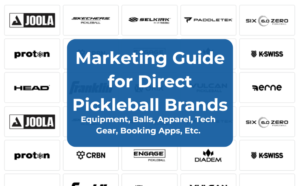
Direct Brands (On-Court Brands)
Direct brands are those that naturally fit into the pickleball experience — products and services that players can wear, consume, or test while on the court. What makes this group unique is product immediacy: players can literally hold, taste, or wear the product in real time.
- Paddles & Balls
Weekly Joola paddle demo sessions or Franklin-sponsored balls for social games ensure the brand is present in every rally, creating instant trial opportunities and ongoing visibility. - Sports Apparel
Jerseys, shorts, and activewear showcased during tournaments and on social media turn every game into a stage for brand exposure. - Footwear
Court shoes like Sketchers designed for grip and agility not only improve performance but also reinforce brand credibility when worn by athletes in competitive play. - Hydration & Nutrition
Hydration booths, branded drink stations, and energy snacks consumed mid- or post-game tie the brand directly to endurance and recovery. - Recovery & Wellness Gear
Cooling towels, compression wear, massage tools, and physiotherapy services that players rely on before and after matches keep the brand associated with performance and care. - Event Venues
Sponsorship of venues such as Pickle Social Club (KLGCC), Bangsar Sports Complex, or Sunway Velocity courts anchors brand presence in high-traffic community hubs.
Strategic Focus
The most effective levers for direct brands are event sponsorships, on-court product trials, UGC challenges, and athlete endorsements. The focus should be on trial-to-purchase conversion and repeat visibility — ensuring the brand doesn’t just appear at an event, but becomes part of the pickleball experience itself.
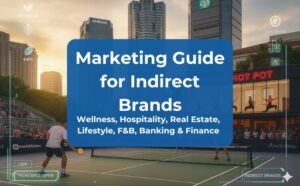
Indirect Brands (Off-Court Brands)
Indirect brands may not sell sports-related products, but they can gain strong relevance by tapping into pickleball’s values of health, balance, and community. In Malaysia, we’re already seeing early adopters from diverse industries use pickleball as a lifestyle anchor:
- Real Estate
Avaland has already built a pickleball court next to its Avenue 25 showroom — not just as an amenity, but as a statement of modern, community-focused living. This positions the developer as forward-thinking while giving prospects a tangible lifestyle experience. - Property + Lifestyle
Arte Star became Malaysia’s first condo to launch with a dedicated pickleball court. By integrating pickleball directly into residential living, it appeals to younger buyers and families who value wellness and community amenities. - Banking & Finance
Alliance Bank credit card campaign offering premium paddles like the Selkirk Boomstick and Joola Agassi Edge to the first 200 sign-ups. Beyond rewards, this move aligns the bank with Gen Z and millennials who see pickleball as part of their lifestyle, not just a sport. - Wellness & Fitness
Studios are innovating with events like “Pilates for Pickleballers” — blending yoga, Pilates, and pickleball to promote holistic wellness. This positions them as lifestyle enablers, not just fitness providers. - Lifestyle Brands
Even outside fitness, brands are leveraging pickleball for community activation. Lazurii (a wellness and aromatherapy brand) hosted a pickleball + self-care event at Pickle Social Club, combining social rallies with product sampling of their new reed diffuser. The event sold out, proving pickleball’s pull as both a wellness and lifestyle touchpoint.
Strategic Insight
For indirect brands, the levers include court naming rights, wellness sponsorships, lifestyle activations, and corporate programs. The focus is less on immediate sales, more on brand perception lift and lead generation — whether that’s show unit visits, credit card sign-ups, fitness memberships, or product trials.
By embedding into pickleball culture, indirect brands aren’t selling paddles or balls. They’re selling community, modern living, and lifestyle relevance — riding a cultural wave that spans across generations.
Why This Distinction Matters
Direct brands should focus on trial and visibility, while indirect brands should focus on lifestyle positioning and storytelling. Either way, pickleball offers a rare cross-generational touchpoint — seniors, families, and Gen Z all in one place. Aligning to the right category keeps your budget sharp and your brand associations authentic.
Strategy 1: Sponsor Events and Tournaments
Pickleball tournaments are booming, from neighborhood leagues to large-scale community competitions. Sponsoring these events places your brand directly in the action through branding, product placement, and activations. Done right, it builds visibility, trust, and content that lives well beyond the final match.
Common Mistakes to Avoid
Treating Sponsorship as Just a Logo on a Banner
Many brands limit their sponsorship to simple signage. For example, a beverage company might pay for visibility at a tournament but only place its logo on a court banner. Players walk past without interaction, no product sampling occurs, and the sponsorship ends with little to no engagement.
Not Setting a Clear Objective
Some companies try to do everything at once — handing out freebies, running contests, and collecting leads simultaneously. A sports apparel brand that spreads itself too thin often can’t tell whether the campaign built awareness, drove product trials, or generated sales. Without a clear objective, ROI becomes impossible to measure.
Forgetting Digital Amplification
Sponsorship should go beyond the court. A tech company might provide scoring systems for a league, but without QR codes, social prompts, or retargeting campaigns, the exposure fades as soon as the event ends.
For Direct Brands (On-Court Brands)
Direct brands thrive on product immediacy — players can wear, taste, or test products in real time.
- Hydration & Recovery (Milo, 100 Plus) – Branded drink stations where players refuel mid- or post-game, directly linking the brand with energy and performance.
- Paddles & Balls (Franklin) – Weekly paddle demos and Franklin-sponsored balls for social games ensure constant trial and repeat visibility.
- Sports Apparel (Lululemon) – Outfitting players in branded jerseys and shorts turns every rally into a moving billboard and every TikTok into a lifestyle ad.
- Footwear (Skechers) – Supplying court-ready shoes enhances agility and safety while reinforcing credibility when athletes wear them in competition.
- Physiotherapy & Recovery Clinics (e.g., Rehamed, KPJ Sports Clinic) – Branded warm-ups, stretches, or physiotherapy booths tie health services directly to performance.
For direct brands, every sip, stretch, or photo shared ties the product to pickleball enjoyment — creating trust and driving faster trial-to-purchase conversions.
For Indirect Brands (Off-Court Brands)
Indirect brands don’t sell sports gear but can win through association with pickleball’s lifestyle and community values.
- Banking – Alliance Bank Cup linking financial services with Gen Z and millennials through community sport and credit card tie-ins.
- Insurance Company – Title sponsor of the Great Malaysia Pickleball Cup 2025, strengthening its brand image as a wellness and family-focused insurer.
- Property Developers – Avaland integrated a pickleball court at its Avenue 25 showroom, while Arte Star launched Malaysia’s first condo with a built-in pickleball court — embedding lifestyle into real estate.
- Lifestyle & Wellness Brands – The Flow Studio ran Pilates for Pickleballers, while Lazurii combined a social rally with product sampling of its new hand & body wash at Pickle Social Club.
For indirect brands, sponsorship signals a commitment to health, balance, and modern living, positioning them as approachable and community-driven while delivering tangible outcomes like new accounts, property tours, or memberships.
Sponsorships should do more than add a logo to a banner. AWC Event Management helps you design activations that let your budget work harder driving visibility, deeper engagement, and real ROI.
Strategy 2: Content Marketing
Content marketing allows brands to go beyond the event and build ongoing relevance with the pickleball community. By creating valuable, engaging content, your brand becomes part of the conversation both on and off the court. Blogs, videos, and social media posts that connect pickleball with your brand values can strengthen authority and deepen trust.
Common Mistakes to Avoid
Producing Generic Content
Some brands publish basic pickleball tips or news without linking them to their product. The result is content that attracts attention but creates no brand recall.
Over-Promotion
Overloading every article or video with sales pitches can alienate the audience. Players want genuine value first, not constant product pushes.
Ignoring Audience Fit
Not every pickleball player is your customer. Without identifying whether you’re targeting seniors, families, or young professionals, content becomes too broad and ineffective.
For Direct Brands (On-Court Brands)
Sports, wellness, and performance products can integrate seamlessly into pickleball content:
- Training articles or videos on drills, warm-ups, and recovery that showcase apparel, footwear, or nutrition products in action.
- Match-day highlight reels where players or ambassadors use your paddles, shoes, or hydration products.
- Community-driven challenges (e.g., “Longest dink rally with our gear”) that inspire UGC and organic exposure.
Direct brands succeed because players can see the product in use, in the context of their sport and lifestyle.
For Indirect Brands (Off-Court Brands)
Industries outside of sports can still build strong associations with pickleball by creating lifestyle-focused content:
- Supermarkets or grocery chains producing “Healthy snack ideas for weekend games” or recipe videos for player families.
- Education providers publishing leadership or teamwork articles framed around pickleball doubles strategy.
- Corporate employers or HR platforms sharing content on pickleball as part of workplace wellness or team-building programs.
- Fashion and lifestyle brands creating lookbooks or reels that feature casual athleisure wear styled for pickleball meetups.
- Health insurance or wellness programs offering blogs on injury prevention, stretching routines, and balance training tied to active living.
Indirect brands gain relevance by connecting pickleball with everyday wellness, teamwork, and lifestyle improvement, even without selling sports gear.
Content should do more than generate likes. At AWC Digital, we create content strategy that truly connects with pickleball players turning awareness into trust and trust into measurable ROI.
Strategy 3: Social Media and Community Engagement
Pickleball thrives on community spirit, and social media is the perfect channel to capture and amplify that energy. Platforms like Instagram, TikTok, and Facebook allow brands to showcase creativity, connect with players directly, and build loyalty through ongoing engagement.
Common Mistakes to Avoid
Treating Social Media as One-Way Advertising
Some brands only post promotional material. Without interaction — comments, shares, challenges — the audience loses interest quickly.
Overlooking User-Generated Content (UGC)
Players constantly share reels, photos, and highlights from their games. Brands that fail to tap into this UGC miss authentic, low-cost promotion.
Ignoring Platform Fit
What works on LinkedIn may not work on TikTok. Posting the same content everywhere without tailoring it to the platform limits reach and engagement.
For Direct Brands (On-Court Brands)
Sports, F&B, and wellness brands can make pickleball central to their social storytelling:
- TikTok challenges featuring trick shots or creative rallies with your products in frame
- Instagram reels of athletes using your apparel or hydration products in tournaments
- Highlight reels from sponsored events shared with branded hashtags
These approaches work because they combine entertainment with authenticity, making your brand part of the social conversation rather than an outsider.
For Indirect Brands (Off-Court Brands)
Non-sports industries can still ride pickleball’s buzz with smart, lifestyle-driven positioning:
- Pharmacy and retail chains (e.g., Watsons, Guardian) creating wellness-themed reels like “Stay hydrated & sun-protected on court,” tying in product bundles.
- Cafés and F&B brands showcasing pickleball meetups that extend into post-game coffee sessions or meal offers.
- Eyewear and optical brands highlighting stylish sunglasses or protective eyewear in outdoor match-day reels.
- Supplement and personal care brands featuring “day in the life” UGC around recovery routines with protein shakes, vitamins, or skincare tied to active living.
Indirect brands succeed by showing they are part of the lifestyle ecosystem — health, beauty, food, and leisure — making their products relevant to the pickleball community even without being on the court.
Social media is the amplifier that turns a local pickleball event into a viral cultural moment. With AWC Digital, brands don’t just post content — we design campaigns that convert community spirit into brand affinity, viral reach, and measurable ROI.
Strategy 4: Influencer and Ambassador Partnerships
Pickleball is still a growing sport, which makes influencers and community ambassadors especially powerful. Players often look to coaches, local champions, or lifestyle creators for advice and inspiration. Partnering with these voices helps brands build credibility, expand reach, and connect with audiences on a personal level.
Common Mistakes to Avoid
Choosing Influencers Only by Follower Count
A big following doesn’t always mean big impact. Some brands pick influencers with large audiences but little authority in the pickleball community, resulting in low engagement.
Over-Scripting Partnerships
When every post looks like an ad, authenticity is lost. Players trust influencers who genuinely enjoy the product, not those reading from a script.
Short-Term Collaborations
One-off campaigns often feel transactional. Without ongoing partnerships, the connection between brand and audience fades quickly.
For Direct Brands (On-Court Brands)
Sports, wellness, and performance-focused products can integrate naturally into ambassador partnerships:
- Coaches and trainers demonstrating drills, warm-ups, or recovery using your apparel, paddles, or gear.
- Local champions or semi-pros wearing branded outfits or using equipment at community tournaments.
- Lifestyle content creators integrating your hydration drinks, nutrition, or recovery products into their “day in the life” content.
Direct brands benefit because ambassadors become living proof of performance — showing how the product improves play, endurance, or recovery.
For Indirect Brands (Off-Court Brands)
Non-sports industries can also benefit by using influencers to link pickleball with broader lifestyle themes:
- F&B brands collaborating with food bloggers or wellness creators to showcase post-match recovery meals or café meetups after games.
- Beauty and personal care companies working with lifestyle influencers to position skincare, haircare, or hygiene products as part of an active, outdoor routine.
- Travel and hospitality groups partnering with travel creators to feature pickleball retreats, resorts with courts, or wellness getaways.
- Education or training providers teaming up with career or self-growth influencers to frame pickleball as a metaphor for teamwork, discipline, or balance.
Indirect brands succeed by connecting through shared values — health, leisure, lifestyle, and community — making their product part of the pickleball story without being on the court.
With indirect brands, the goal isn’t to sell gear — it’s to borrow relevance from influencers who already inspire audiences around lifestyle and wellbeing. Done right, these partnerships make your brand part of the movement, not just a sponsor.
That’s where AWC KOL Management comes in — we identify and manage the right mix of coaches, lifestyle creators, and community ambassadors to ensure your partnerships are authentic, long-term, and ROI-driven. From micro-influencers in local pickleball clubs to lifestyle KOLs who bridge health, finance, or leisure, we help you build influence that lasts.
Strategy 5: Product Integration and Sampling
Few strategies are as powerful as letting people experience your product first-hand. Pickleball events and communities create the perfect environment for product integration — from on-court trials to lifestyle sampling — ensuring your brand becomes part of the player’s experience, not just an advertisement.
Common Mistakes to Avoid
Handing Out Samples Without Engagement
Simply distributing freebies at the door rarely leaves a lasting impression. Without context or conversation, players forget the brand quickly.
Offering Products Irrelevant to the Moment
Giving away items that don’t connect with the pickleball experience weakens impact. Players expect refreshments, recovery aids, or gear they can use on the spot.
Missing Follow-Up Opportunities
Brands often fail to collect data or create retargeting pathways. Without QR codes, digital offers, or redemption tracking, the ROI of sampling is lost.
For Direct Brands (On-Court Brands)
Sports, F&B, and wellness brands can shine by being part of the game itself:
- Hydration or snack stations with sports drinks or energy bars offered during breaks.
- Trial gear booths where players test paddles, footwear, or recovery tools in live play.
- Performance bundles — grip tape, cooling towels, or nutrition packs — given to winners or VIP players for continued use.
Direct brands succeed because players instantly link the product with energy, performance, and enjoyment.
For Indirect Brands (Off-Court Brands)
Non-sports categories can still sample meaningfully by focusing on lifestyle relevance:
- F&B vouchers (cafés, restaurants, or meal delivery) offered as post-game treats.
- Gym or yoga passes that tie pickleball to wider health and fitness routines.
- Hygiene products such as shampoo, face wash, or even wellness-focused items like condoms, distributed in recovery kits.
- Eyewear vouchers for sports or lifestyle glasses, positioned around performance and protection.
- Supplements (protein shakes, joint support, or muscle recovery formulas) provided with educational tips for active living.
Product integration works best when it solves an immediate need on-site while opening a conversion pathway off-site. Done right, every sample becomes more than a giveaway — it becomes a bridge to lifestyle, loyalty, and measurable ROI. With AWC Event Management, we bring your product to life through pickleball activations, roadshows, and sampling experiences — ensuring every trial drives engagement, captures data, and delivers measurable ROI.
Strategy 6: Digital Amplification and PR
Pickleball sponsorships and activations don’t end at the court. Digital amplification and PR extend the impact — turning a single event into ongoing visibility. From highlight reels to press coverage, digital channels ensure your brand’s association with pickleball reaches far beyond players and spectators.
Common Mistakes to Avoid
Treating Events as One-Off Moments
Many brands fail to capture or share content from their sponsorships. Without videos, photos, or articles, the investment disappears once the event is over.
Overlooking Local Media and PR
Pickleball is community-driven, and local press often covers tournaments. Brands that ignore PR miss low-cost opportunities for positive coverage.
Not Building a Digital Funnel
Events generate attention, but without QR codes, landing pages, or retargeting ads, brands lose the chance to turn visibility into measurable leads.
For Direct Brands (On-Court Brands)
Sports, wellness, and F&B companies can extend reach by:
- Producing highlight reels from sponsored tournaments with visible product integration.
- Running SEO-optimized blogs and videos on performance, recovery, or nutrition tied to their offerings.
- Launching retargeting ads for attendees who engaged with QR codes, giveaways, or event activations.
These tactics ensure trial at the event translates into ongoing visibility, organic traffic, and online sales.
For Indirect Brands (Off-Court Brands)
Industries outside sports can maximize their association with pickleball through:
- Publishing PR stories on community living, wellness, or workplace balance connected to their involvement.
- Running social media campaigns around tournaments, corporate challenges, or wellness events.
- Providing digital tools such as livestreams, apps, or branded overlays to extend reach to audiences beyond the venue.
Indirect brands win by embedding into storytelling and digital culture, positioning themselves as modern, lifestyle-driven, and community-focused.
Don’t let your pickleball campaign stop at the sidelines. With AWC Digital, we extend your activations through press coverage, SEO, and digital campaigns — transforming one event into lasting visibility, stronger brand equity, and measurable ROI.
Strategy 7: Corporate and Lifestyle Partnerships
Pickleball isn’t just a sport — it’s becoming a lifestyle movement that spans families, workplaces, and communities. By forming partnerships with organizations, corporates, and lifestyle groups, brands can embed themselves into pickleball culture in ways that go beyond single events.
Common Mistakes to Avoid
Overlooking Corporate Wellness Opportunities
Many brands miss the chance to integrate pickleball into workplace wellness programs, where HR teams are actively seeking activities that promote health and team bonding.
Focusing Only on Sports Categories
Some businesses assume only sports brands can partner with pickleball. In reality, lifestyle brands, corporates, and even education providers can create strong connections through community programs.
Neglecting Long-Term Partnerships
One-off collaborations may generate buzz but lack staying power. Without sustained partnerships, the brand’s association with pickleball fades quickly.
For Direct Brands (On-Court Brands)
Sports apparel, equipment, and wellness companies can expand reach through:
- Partnering with gyms, health clubs, or fitness chains to launch pickleball programs
- Creating co-branded pickleball leagues or tournaments that run seasonally
- Offering workplace wellness packages where employees access training, clinics, or gear
These partnerships help direct brands build recurring visibility and stronger loyalty among engaged communities.
For Indirect Brands (Off-Court Brands)
Industries beyond sports can position themselves through lifestyle-driven partnerships:
- Universities and schools incorporating pickleball into campus recreation, with education providers or training firms sponsoring student tournaments.
- Coworking spaces offering pickleball courts or social leagues to attract startups and entrepreneurs looking for balance between work and play.
- Healthcare providers and hospitals hosting wellness days or community pickleball challenges to promote preventive health and active living.
- Retail and F&B chains integrating pickleball pop-ups into malls, cafes, or community events to build stronger customer connections.
By embedding into lifestyle and corporate ecosystems, indirect brands align with pickleball’s values of community, balance, and wellbeing — boosting long-term brand perception and customer trust.
Partnerships should be more than a PR headline. At AWC Digital, we design pickleball collaborations that align with your business goals — strengthening loyalty, enhancing reputation, and delivering lasting impact.
Strategy 8: Outdoor Advertising
Pickleball isn’t confined to the court — its influence extends into neighborhoods, malls, and workplaces. Outdoor advertising (OOH) is a powerful way to make your brand part of the community’s everyday environment, ensuring constant visibility before, during, and after play.
Common Mistakes to Avoid
- Treating OOH as Static Exposure
Placing a logo on a billboard without context wastes spend. Audiences need a clear link between your message and pickleball culture. - Ignoring Location Relevance
Generic placements (e.g., highways far from pickleball hubs) dilute impact. Ads work best when they’re close to courts, malls, and residential clusters where players gather. - Not Integrating With Digital
Outdoor ads without QR codes, hashtags, or campaign tie-ins limit engagement and measurability.
For Direct Brands (On-Court Brands)
Sports, F&B, and wellness companies can maximize OOH impact by:
- Placing branded billboards near pickleball clubs, gyms, and community centers
- Running mall lift/lobby screens with hydration, apparel, or equipment promos
- Using LED trucks to follow key tournaments and events for real-time exposure
For Indirect Brands (Off-Court Brands)
Non-sports industries can leverage OOH to signal lifestyle alignment:
- Real estate developers promoting new condos with dedicated pickleball courts
- Banks and insurers running wellness-themed campaigns in areas with active communities
- Telcos showcasing connectivity through smart-scoreboards or event LED screens
Outdoor media reinforces brand presence in physical spaces where the pickleball community lives, plays, and socializes. It’s high-frequency, hyper-local, and builds credibility by visibly associating your brand with the movement.
With A Wild Billboard, we plan placements, creative, and digital tie-ins that make your pickleball campaign unavoidable — driving visibility, engagement, and measurable ROI.
Strategy 9: Creative Design That Captures Attention
No matter where your brand shows up — on a court banner, a TikTok reel, or a billboard — creative is the currency of attention. In pickleball marketing, design isn’t decoration; it’s how you communicate energy, relevance, and lifestyle in seconds.
Common Mistakes to Avoid
- Using Generic Templates
Stock visuals or copied layouts make your brand look like everyone else. Audiences ignore unoriginal creatives. - Lack of Pickleball Context
Designs that don’t show the sport, players, or lifestyle fail to connect with the community. - No System Across Channels
One-off visuals without consistency across social, OOH, and events weaken brand recall.
For Direct Brands (On-Court Brands)
Sports, F&B, and wellness products can benefit by:
- Designing dynamic product visuals integrated into gameplay moments (hydration shots, branded paddles, apparel in motion)
- Creating motion graphics for scoreboards, event screens, and TikTok edits
- Building packaging and merch that double as lifestyle statements at tournaments
For Indirect Brands (Off-Court Brands)
Non-sports industries can use design to make the lifestyle link clear:
- Real estate developers with visual storytelling around community life on pickleball courts
- Banks and insurers with playful, wellness-themed creatives that highlight balance and security
- Tech and telco with sleek infographics showing how digital tools enhance the pickleball experience
Strong creative bridges the gap between awareness and memory. It ensures your message isn’t just seen, but remembered and shared. In a fast-growing, visual-first sport like pickleball, creative design is the multiplier of all other strategies.
Don’t settle for banners that blend in or reels that get skipped. With A WILD CREATIVE, we craft visuals and storytelling tailored for pickleball — from court-side activations to viral-ready content — so every campaign looks sharper, hits harder, and delivers ROI.
Strategy 10: SEO That Extends Campaign Impact
Pickleball campaigns shouldn’t vanish once the event ends. With SEO, every activation, sponsorship, or piece of content can keep working for you — showing up in searches, driving organic traffic, and capturing long-term leads.
Common Mistakes to Avoid
- One-Off Event Pages
Brands create microsites for tournaments but let them die afterward, losing all SEO equity. - Keyword Blind Spots
Not optimizing for “pickleball near me,” “corporate pickleball event,” or related lifestyle terms leaves traffic (and leads) untapped. - No Content-SEO Alignment
Publishing blogs, videos, or PR pieces without technical SEO means they never rank — wasted effort.
For Direct Brands (On-Court Brands)
- Optimize product pages around pickleball-specific intent (e.g., “best pickleball hydration drink,” “pickleball recovery gear”).
- Build evergreen how-to content (drills, training, nutrition tips) that links directly to your products.
- Use structured data (schema) for events and product reviews to boost search visibility.
For Indirect Brands (Off-Court Brands)
- Rank for lifestyle keywords tied to pickleball (e.g., “condos with pickleball courts,” “corporate wellness sports programs”).
- Create landing pages that target location-specific searches around sponsorships and community activations.
- Use content clusters to build authority around wellness, teamwork, and balance — with pickleball as the cultural anchor.
SEO ensures that the money you spend on sponsorships, events, or PR doesn’t disappear once the banners come down. It compounds your investment — turning one campaign into sustained visibility, organic leads, and authority in the pickleball space.
With AWC SEO Service, we turn every activation into lasting online visibility — ranking your brand for the right searches, capturing leads, and making your marketing budget work harder month after month.
Final Takeaway
Ideas are easy. Execution and measurement are what matter. What you need is a partner who knows how to execute, measure, and make every dollar work harder.
That’s where a professional marketing agency comes in. At AWC, we don’t just give you ideas — we design strategies, activate campaigns, and track ROI so you know exactly what’s working. Whether you’re a direct brand looking for on-court visibility or an indirect brand building lifestyle association, we’ll help you cut through the noise and turn pickleball into a growth engine.
If you’re serious about making pickleball part of your brand playbook, talk to us. Let’s turn strategy into execution and ensure your marketing budget works harder for you.